PDPP Learning

Category: EDCI 336

This is a category for the EdTech course. Please add this category in addition to the relevant edtech assignment category(ies).

The Evolution of Education

Do we need to reimagine education?

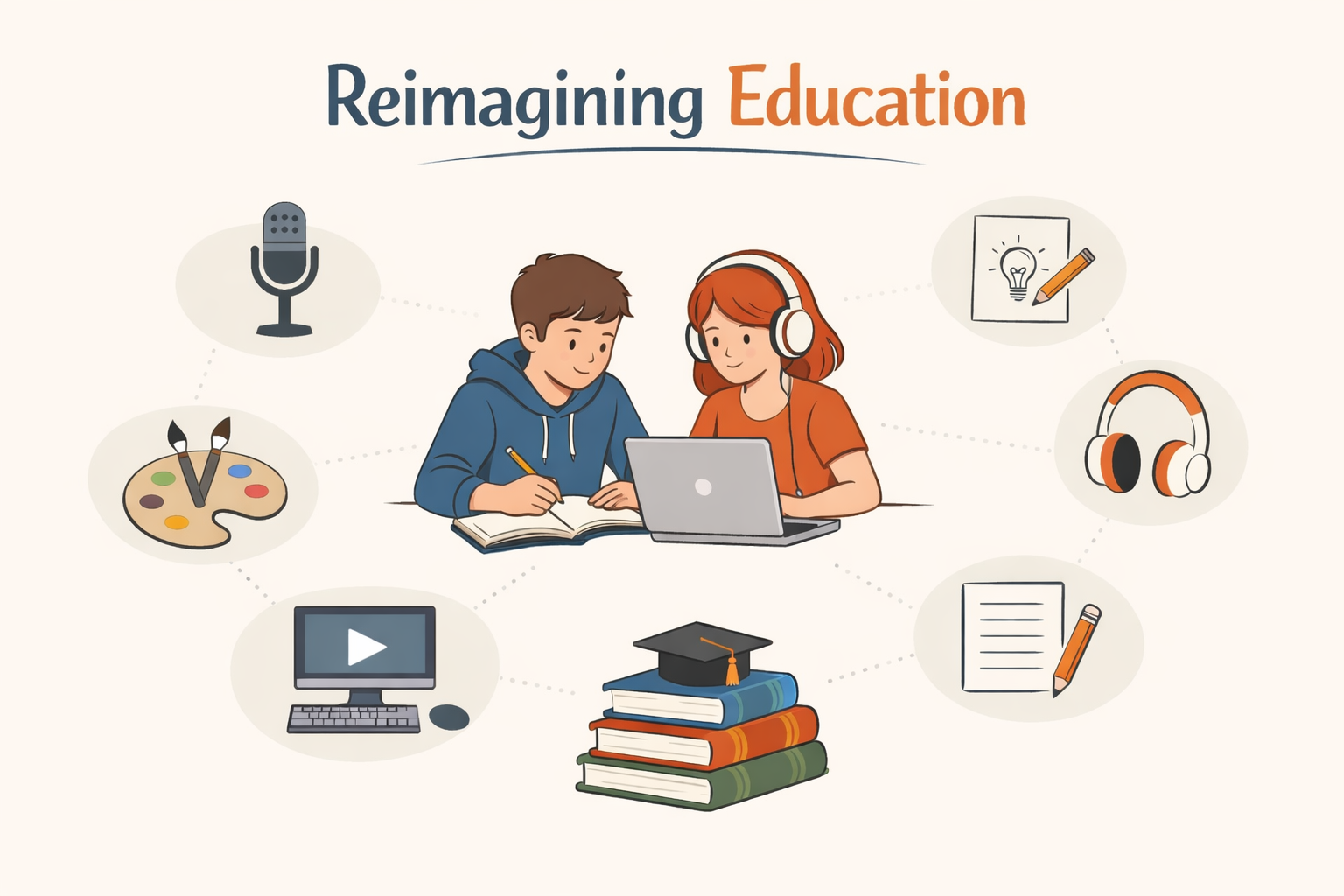
Do we need to reimagine education? Yes. When it comes to this “reimagination”, I believe there are endless possibilities to shift the educational landscape. Education, just like any other topic or system in our society, always has room for evolution. As educators we must continue to understand the necessity of catering to a wide range of learners and learning styles. When studying a topic or assigning projects, the ability to provide a range of entry points is crucial to student success, engagement and inclusion. Entry points for project-work may include components of visual (diagrams, mapping, videos), auditory (discussion or podcasts), text (reading, writing, essays), or kinesthetic (hands-on or building). As a Social Studies and PHE teacher I also have seen the benefits of movement in the classroom. Further providing alternative learning spaces (changes of scenery) and getting kids moving also enhances educational experiences.

What obstacles do educators often face when they try to change pedagogy?

There are certainly factors that educators face when trying to alter their teaching theories. Personally I believe that many teachers desire to alter their approach but struggle with the confidence and tools to do so. The education system is quite structured and it is easy to follow a traditional blueprint. Many teachers also may fear challenging the typical status quo because of perceived pressure from administration and colleagues. Parents may also apply pressure if they believe their child’s education/classwork is taking an unconventional shape. Lack of time and resources (i.e. classroom space) are other factors that may prevent an educator from changing their approach. 

What concerns and/or excites you about this approach?

I think one of my biggest concerns in bringing new approaches to the classroom would be potential push back from administration and parents. Shifting away from the traditional approach of teaching is bound to stir some emotion and/or questions from observers outside of the classroom, especially as a new teacher. Getting past this initial stage and building confidence to take some risks I think is huge for new teachers. There are many things to be excited about though. With the emergence of technology and a diversified skill set within a range of students there is a huge potential for a shift in teaching content. More than ever, students have the tools and technology to learn and create creatively. 
Welcome and Introduction

Before proceeding with this first blog post, we expect you to consider your privacy preferences carefully and that you have considered the following options:

  1. Do you want to be online vs. offline?
  2. Do you want to use your name (or part thereof) vs. a pseudonym (e.g., West Coast Teacher)?
  3. Do you want to have your blog public vs. private? (Note, you can set individual blog posts private or password protected or have an entire blog set to private)
  4. Have you considered whether you are posting within or outside of Canada? This blog on opened.ca is hosted within Canada. That said, any public blog posts can have its content aggregated/curated onto social networks outside of Canada.

First tasks you might explore with your new blog:

  • Go into its admin panel found by adding /wp-admin at the end of your blog’s URL
  • Add new category or tags to organize your blog posts – found under “Posts” (but do not remove the pre-existing “EdTech” category or sub-categories, Free Inquiry and EdTech Inquiry). We have also pre-loaded the Teacher Education competencies as categories should you wish to use them to document your learning. If you would like to add more course categories, please do so (e.g., add EDCI 306A with no space for Music Ed, etc.)
  • See if your blog posts are appearing on the course website (you must have the course categories assigned to a post first and have provided your instructor with your blog URL)
  • Add pages
  • Embed images or set featured images and embed video in blog posts and pages (can be your own media or that found on the internet, but consider free or creative commons licensed works)
  • Under Appearance,
    • Select your preferred website theme and customize to your preferences (New title, etc.)
    • Customize menus & navigation
    • Use widgets to customize blog content and features
  • Delete this starter post (or switch it to draft status if you want to keep for reference)

Do consider creating categories for each course that you take should you wish to document your learning (or from professional learning activities outside of formal courses). Keep note, however, that you may wish to use the course topic as the category as opposed to the course number as those outside of your program would not be familiar with the number (e.g., we use “EdTech” instead of “edci336).

Lastly, as always, be aware of the FIPPA as it relates to privacy and share only those names/images that you have consent to use or are otherwise public figures. When in doubt, ask us.

Please also review the resources from our course website for getting started with blogging: