This week I got back into my routine of using Duolingo to practice my Spanish vocabulary and grammar. Educational apps on our phones are so useful and truly a blessing. I had forgotten how much of a privilege it is to have a free platform for languages (yes, any language!) at our fingertips to practice at any time in any place. In addition to this I also quizzed my girlfriend on some of the material within the units I progressed through. I find that testing someone else, or at least relaying new knowledge out loud, helps me further master the material as a learner. Maybe she might get annoyed by this practice after a while (especially if you’re trying to focus on your own homework and someone is blurting words such as “reloj” or “partido” at you) but I know she will be thankful for it in the long-run too. Another thing that I noticed myself subconsciously practicing was when I was scrolling social media. My algorithms tend to push me towards some posts, or even memes, that are in Spanish. Oftentimes there is the option to translate them but I try my best to decipher and comprehend the content before translating it to test my comprehension. In addition to this, I usually see many posts from the network of Spanish speaking friends I have in Mexico. These posts allow me to keep up to date with them and the events of their region. These things may seem trivial but they are subtle things that allow my brain to continue processing the language.
Category: EDCI 336 (Page 2 of 2)
This is a category for the EdTech course. Please add this category in addition to the relevant edtech assignment category(ies).
As society continues to progress and utilize a wide range of technological tools, the ability to be proficient with various software and platforms will only become more important. Especially when entering the realm of education. This week we were introduced to multiple platforms that can aid us in education, especially when it comes to organizing, storing and sharing resources for teachers. I played around with Google Keep and Google Classroom. I like how both platforms are user-friendly and can all be accessed via an account log in (which I already have). To have the luxury to store various resources such as reporting, classwork and lesson plans is so handy. Keep has the ability to colour coordinate different sets of notes as well as keeping things very simple and user-friendly. I like how it syncs across different devices and is always accessible via a simple log-in. The platform also allows you to set reminders for important notes and share things instantly with other teachers or students. I have attached a video below of me playing around with Google Keep with some doodles but of course this would be much more handy with a tablet and magic pencil rather than the laptop I did it on. Google Classroom also provides the same level of handiness and user-friendly features. I had the fortune of being at Belmont Secondary for the Link2Practice Program last semester and many teachers utilized this platform. It was such a handy way to interact with students and colleagues for a shared learning space.
The use of generative AI has exploded in recent years and will become even more prominent as we move forward into the teaching profession. After completing my undergraduate degree in early 2023 I took a few years off to work and travel before starting the PDPP Program. Generative AI was something that I did not really utilize in the final years of my degree and have been shocked to see how prevalent it has become during my two year absence from school. While generative AI has immense abilities to assist in so many aspects of life, it does have limitations. When searching for things and prompting AI, you receive such broad amounts of information as it pulls from sources scattered across the internet. One thing that we discussed in class with Rich was the importance of being very specific when prompting AI to get the best results. Broad and generic prompts result in broad and generic responses, which is something we need to avoid in education. There must be a balance when using AI as it can be helpful to provoke ideas and thoughts but over reliance can lead to diminishing levels of originality. Especially when it comes to relying on AI to construct written work, as this is a key element of the human brain.
Contrary to the limitations, generative AI is able to be a very useful tool. Like I mentioned at the beginning of this post, my experience with it was at an extremely novice level prior to this semester. The concept of it worried me, especially as a History major that has had to write numerous research papers. I still avoid generative AI at all costs when it comes to constructing written pieces because I believe it to be extremely unauthentic. Last semester I was stuck with coming up with additional ideas on what students could research via a Social Studies community walking tour. The goal was to get kids involved within their community and learn hyper-local history. Generative AI suggested looking into street names and their historical relevance which I had not considered. Little things like these I believe can be very helpful as a tool for educators, while still focusing on originality and authenticity. I view generative AI as a tool that can inject a little spark into an idea when faced with a “block”.

Photo Source: https://www.trinka.ai/blog/the-limitations-of-artificial-intelligence-what-humans-still-do-better/amp/
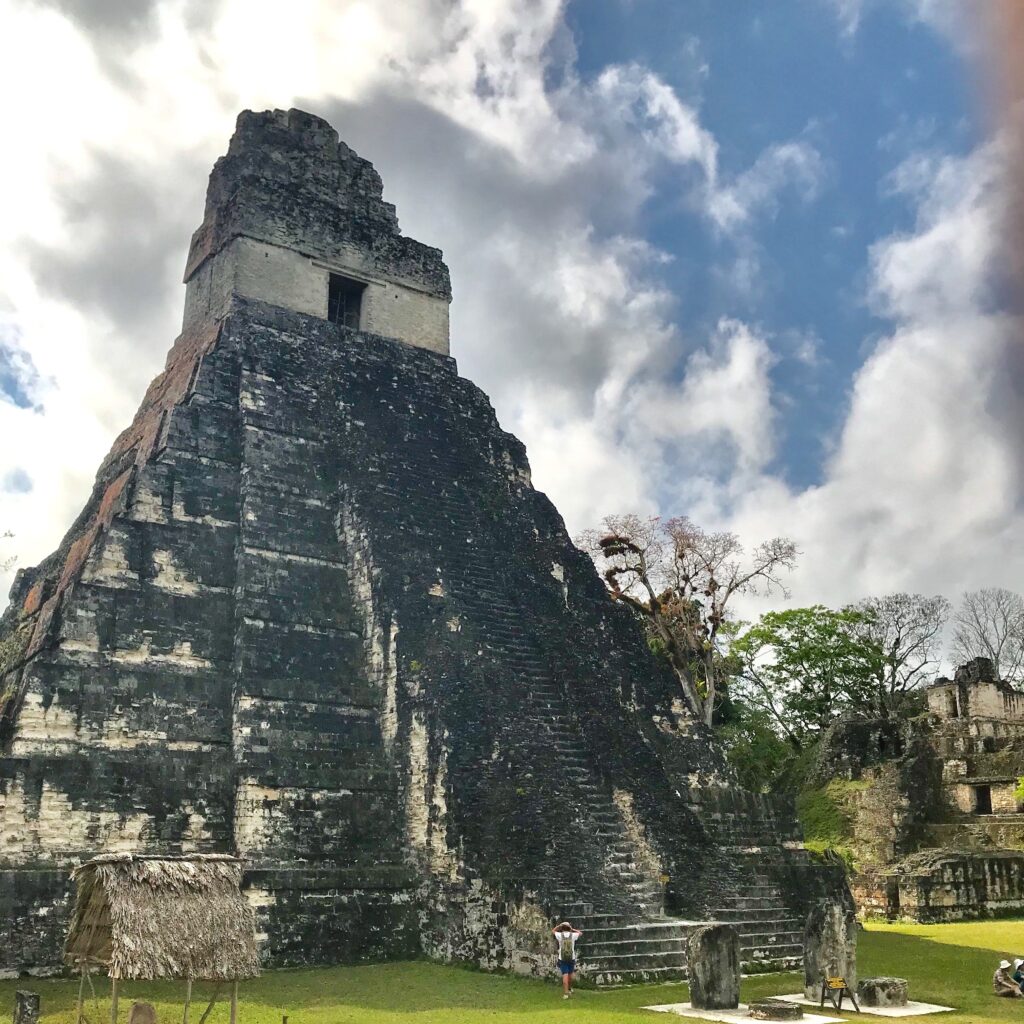
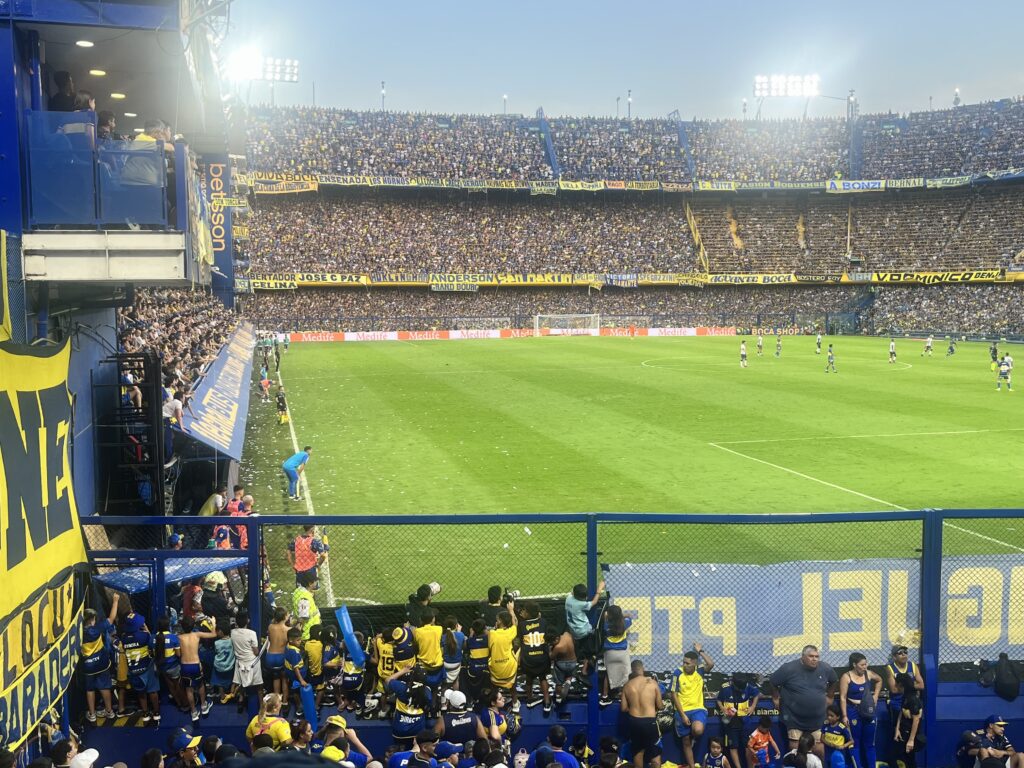
I chose my Spanish language learning journey as my free inquiry topic for a variety of reasons. I have been around Spanish throughout my adolescence and adult life, often in varying forms and it is something I continually strive to improve at. My first immersion with the Spanish language was when I was 8 years old and my family took a trip to Mexico. My parents were always keen to gain authentic travel experiences while abroad and passed this trait along to me. For the rest of grade school we would return to Mexico nine more times, always staying at smaller local hotels, often frequented by other Mexican travellers. My family and I would always venture into the local villages and eat at restaurants “off the beaten path”. Early memories of Spanish would be trying to decipher menus with my parents, learning the names of foods etc. After high school I took two separate trips, when I was 20 to Central America for three months, and when I was 26 to South America for five months. These prolonged trips were very immersive and gave me massive lived experience to practice the language further. Additionally, I was afforded with the opportunity to study Spanish in high school for three years and at UVic for two semesters. I also think that my topic ties in nicely with the ELL course I am taking this semester in the PDPP Program. I think there will be many things I can draw from this class as I am also a learner of a second language. Some of my favourite life memories have occurred while being surrounded by the Spanish language and believe that this free-inquiry project will give me plenty to draw upon while refining my fluency. I plan on drawing upon my learning experience memories, interviewing Spanish speaking friends and Duolingo throughout this assignment.



Describe how Multi-media Learning Theory can help us create more effective instructional videos and tutorials.
I think Multi-media Learning Theory proves to be extremely beneficial when attempting to “get through” to a learner. As an instructor it is hard to put into words the benefits that come from meshing various forms of media, such as text and visuals. I have never put any serious thought into the construction and design of instructional videos but the more I think critically about it the Learning Theory is extremely evident. Over the weekend I was researching a salmon recipe along with a marinade and the website contained a combination of pictures/videos (the preparation process with the fish, the marinade, and the ideal final product) along with descriptive text, measurements, and general steps for the entire process. This is a perfect example of Mulit-media Learning Theory that helps educate a novice learner (myself the cook) in executing a task. Multi-media provides more entry points for learners and their varying styles, allowing for more inclusion and heightened chances of getting through to the majority of students.
Describe how you could use video or audio editing as the assignment medium for the subject and grade level you will be teaching (if at all), and what you could do to make the assignment as engaging as possible.
I will likely be teaching Social Studies / History between Grades 9-12. Integrating video & audio editing can be a beneficial tool to use when teaching this subject and level. I could see it being very useful when assigning short videos that are to be watched for homework. If I could master this skill I could record educational videos while pausing them and utilizing a voice over to emphasize key concepts and themes that I want my students to be grasping.
Do we need to reimagine education?
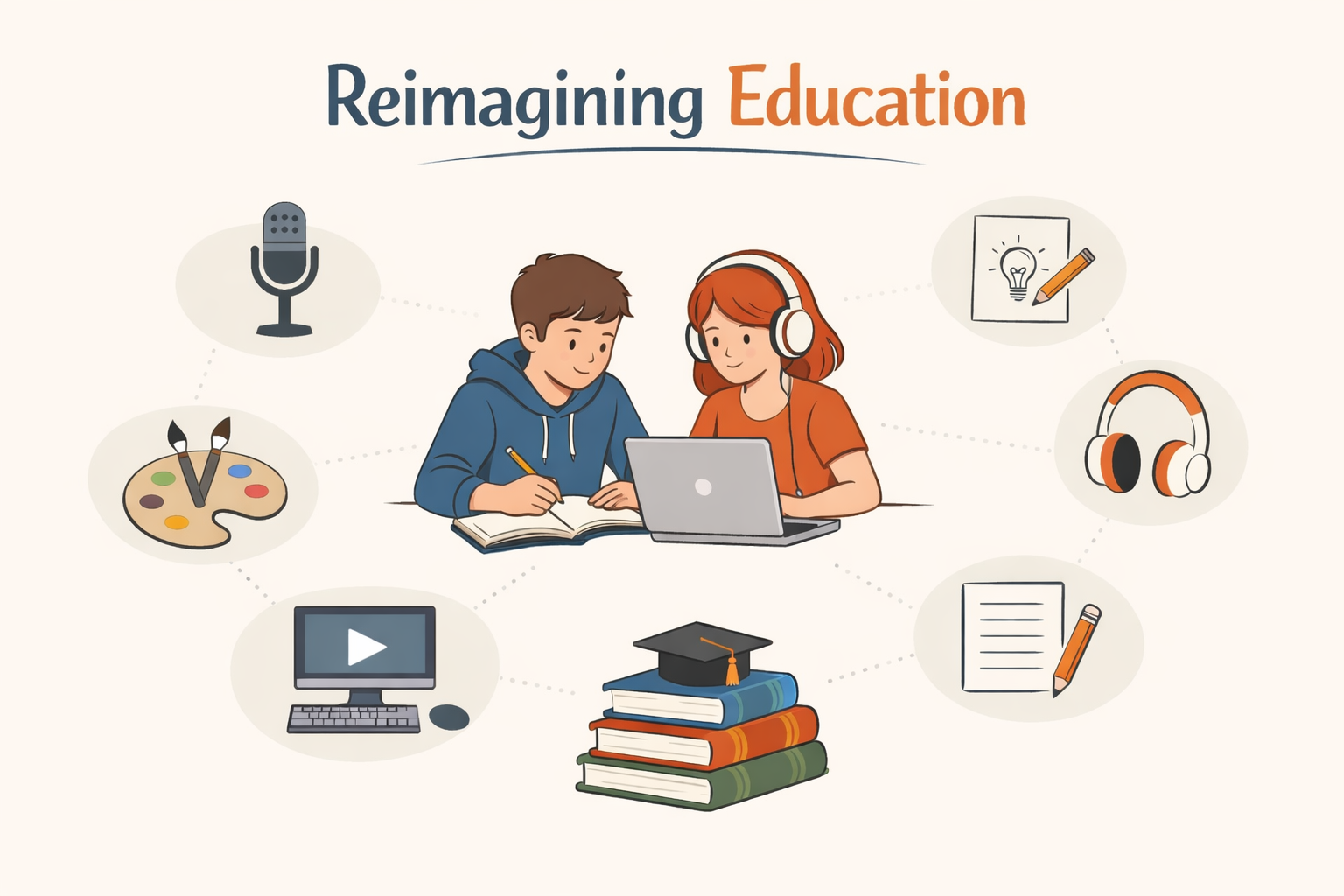
Do we need to reimagine education? Yes. When it comes to this “reimagination”, I believe there are endless possibilities to shift the educational landscape. Education, just like any other topic or system in our society, always has room for evolution. As educators we must continue to understand the necessity of catering to a wide range of learners and learning styles. When studying a topic or assigning projects, the ability to provide a range of entry points is crucial to student success, engagement and inclusion. Entry points for project-work may include components of visual (diagrams, mapping, videos), auditory (discussion or podcasts), text (reading, writing, essays), or kinesthetic (hands-on or building). As a Social Studies and PHE teacher I also have seen the benefits of movement in the classroom. Further providing alternative learning spaces (changes of scenery) and getting kids moving also enhances educational experiences.
What obstacles do educators often face when they try to change pedagogy?
There are certainly factors that educators face when trying to alter their teaching theories. Personally I believe that many teachers desire to alter their approach but struggle with the confidence and tools to do so. The education system is quite structured and it is easy to follow a traditional blueprint. Many teachers also may fear challenging the typical status quo because of perceived pressure from administration and colleagues. Parents may also apply pressure if they believe their child’s education/classwork is taking an unconventional shape. Lack of time and resources (i.e. classroom space) are other factors that may prevent an educator from changing their approach.
What concerns and/or excites you about this approach?
I think one of my biggest concerns in bringing new approaches to the classroom would be potential push back from administration and parents. Shifting away from the traditional approach of teaching is bound to stir some emotion and/or questions from observers outside of the classroom, especially as a new teacher. Getting past this initial stage and building confidence to take some risks I think is huge for new teachers. There are many things to be excited about though. With the emergence of technology and a diversified skill set within a range of students there is a huge potential for a shift in teaching content. More than ever, students have the tools and technology to learn and create creatively.
This is where Assignment 2: Educational Technology Resource Development will be presented when complete.
This is where you share your updates and creations for Assignment 1: Free Inquiry Project.