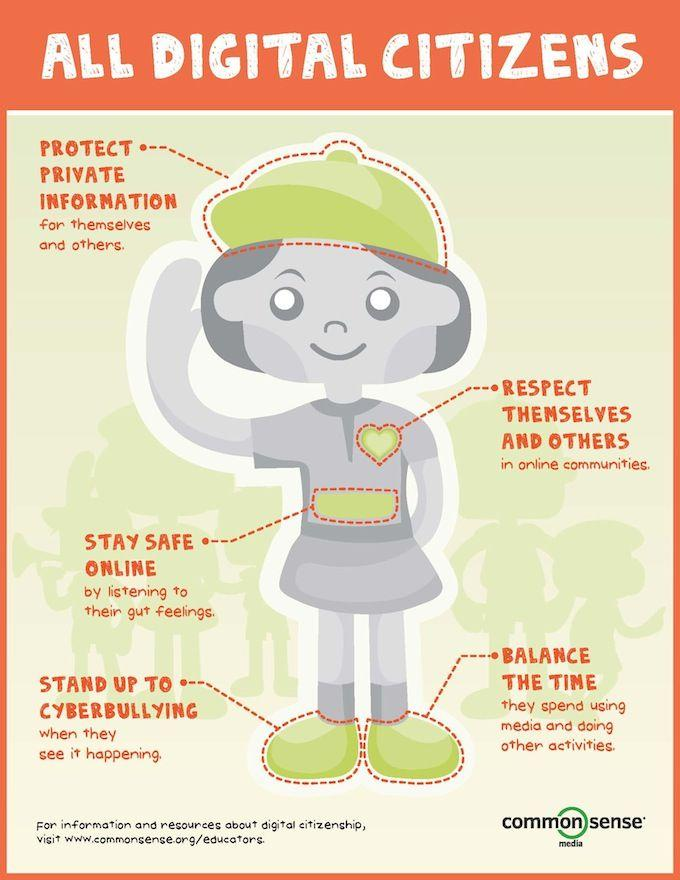
This week’s focus on digital citizenship and online safety felt really relevant to me, especially privacy and security, and how easily those things get overlooked in everyday situations.
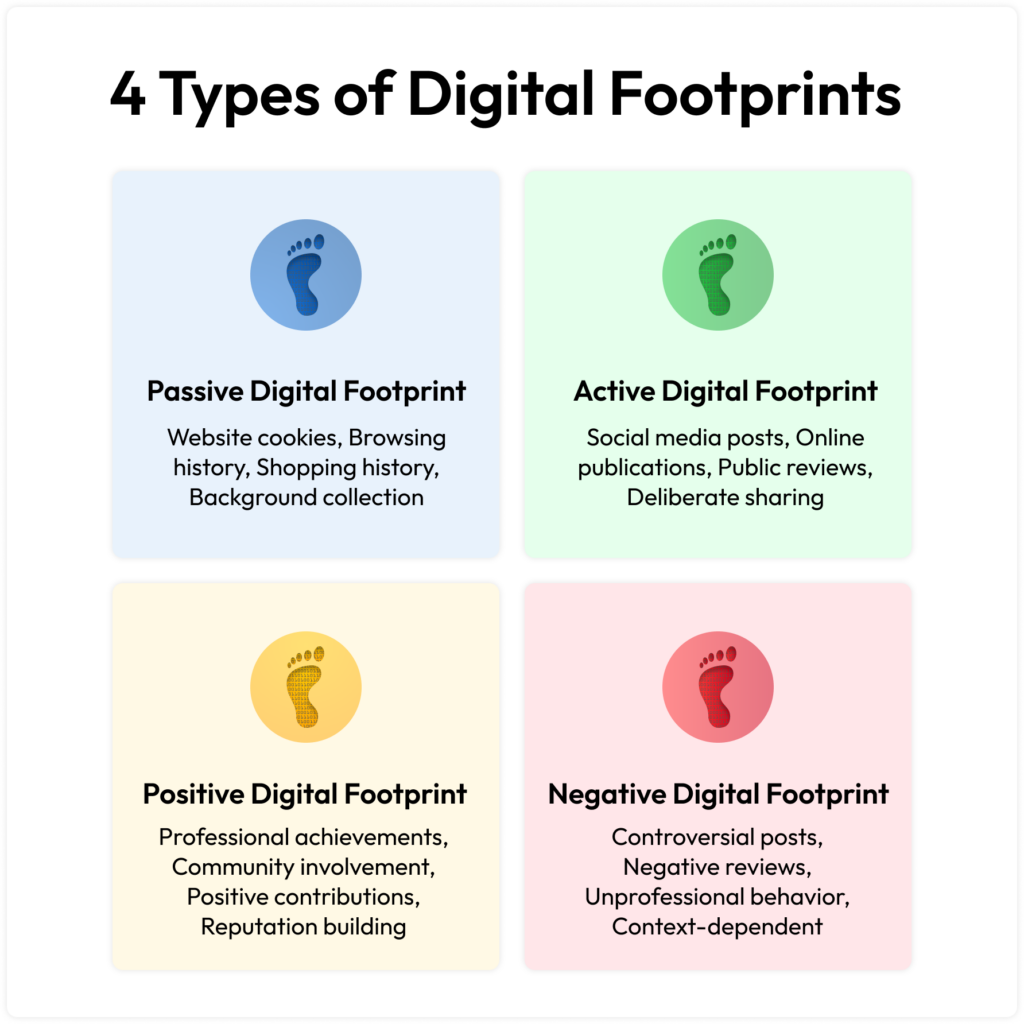
It actually brought me back to my own high school experience. I saw a lot of situations where photos or videos got shared without someone’s consent and quickly turned into embarrassment or bullying. At the time it didn’t always seem like a big deal, but looking back, it’s clear how harmful that can be. Once something is online, it spreads fast and is nearly impossible to take back. Since I I graduated in 2015, I was there when a lot of the platforms (Instagram, Twitter, Snapchat) students still use today were just taking off, so I’ve seen both sides firsthand. Because of that, I don’t think social media is something that can just be avoided, it’s a huge part of how students connect. The more realistic approach is teaching them how to use it responsibly, which I think gives me a bit of an advantage as a future teacher. This connects naturally to digital consent, something I don’t think gets talked about enough. In PHE we already cover consent and healthy relationships, but those conversations don’t always extend into online spaces. Asking before posting, respecting boundaries online, and understanding how content spreads are just as important as anything happening in person. Overall, this week reinforced that online behaviour is real behaviour. It has real impacts on relationships and wellbeing, and in PHE especially, digital citizenship fits naturally alongside what we already teach around respect and healthy communication.